



2024-2030 Pressure Vessel Industry In-depth Research and Investment Prospects Fo
"15th Five-Year Plan" Period: Pressure Vessels to Develop Towards High Efficiency, Energy Saving, Cleanliness, and Intelligence
1. Industry Overview and Classification
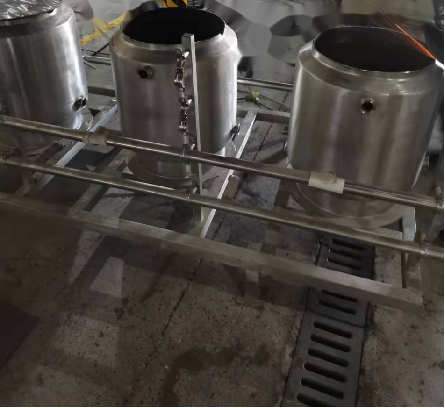
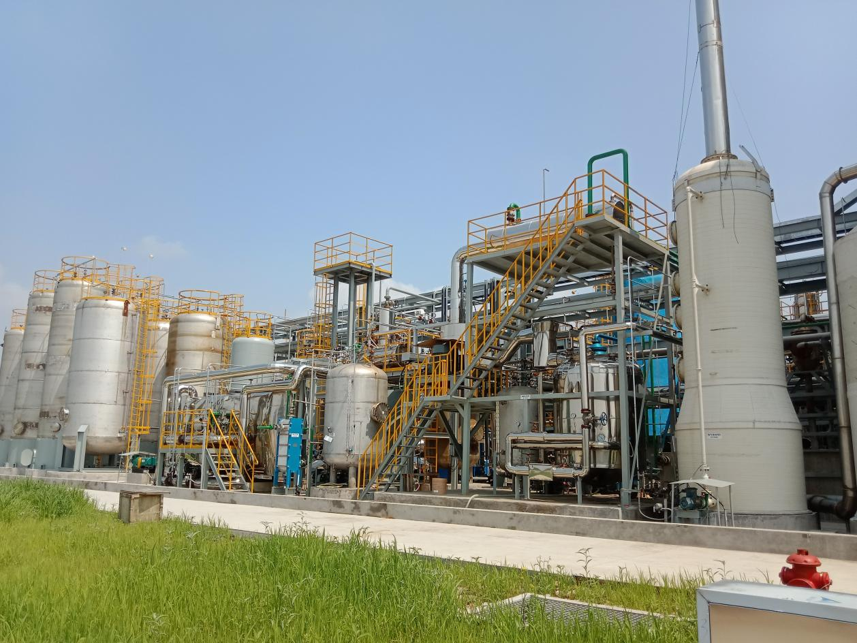
The pressure vessel industry falls under the equipment manufacturing sector, which is the mainstay of the national economy. Its development level is a significant reflection of a country's comprehensive national power, and major national equipment manufacturing is a strategic industry crucial to national economic security and defense security. As key process equipment in modern manufacturing industrial workflows, pressure vessels generally refer to enclosed containers designed to carry out production processes such as reaction, heat exchange, absorption, extraction, separation, and storage, and capable of withstanding certain internal pressure. They belong to the category of static equipment and are widely used in petrochemicals, coal chemicals, fine chemicals, new energy, new materials, and numerous other fields.
Pressure vessels typically refer to enclosed containers with a working pressure greater than or equal to 0.1 MPa. They come in diverse forms and types, commonly classified as follows:
(1) Based on installation method, they can be divided into stationary pressure vessels and mobile pressure vessels.
(2) Based on pressure level, they can be divided into low-pressure, medium-pressure, high-pressure, and ultra-high-pressure vessels.
(3) Based on purpose, they can be classified as reactors, heat exchangers, separators, and storage vessels.
In recent years, alongside the development of the national economy and the state's high prioritization and strong support for the high-end equipment manufacturing industry, the market demand for pressure vessels in China has maintained a continuous growth trend. Since 2005, the number of pressure vessels in service in China has shown a continuous upward trend. By the end of 2023, the number of pressure vessels in service in China reached 5.3392 million units, achieving a Compound Annual Growth Rate (CAGR) of 7.22% during this period.
2. Pressure Vessel Industry Chain
(1) Upstream Raw Material Supply
The upstream part of the pressure vessel industry chain involves the supply of raw materials and components. Raw materials mainly include stainless steel, carbon steel, and other common steels, as well as special metal materials like nickel and titanium. Components mainly include process pipes, valves, electrical equipment, and various supporting instruments. The primary upstream raw materials for pressure vessels are metal materials, with steel accounting for the vast majority share. Therefore, fluctuations in raw material procurement prices are strongly correlated with fluctuations in the market price of steel. As the application scenarios for pressure vessels gradually increase and their functions tend to diversify, the raw materials for pressure vessels have also become more varied.
(2) Midstream Production and Manufacturing
Pressure vessel manufacturers are located in the midstream of the industry chain. They are primarily engaged in technology R&D, process design, product production and manufacturing, and assembly related to pressure vessels, providing technical products or solutions for downstream customers. They represent the core link in the entire industry chain.
(3) Downstream Applications
As essential equipment in numerous industries, pressure vessels have extensive downstream application fields, including but not limited to chemicals, new energy, power, nuclear energy, new materials, and pharmaceuticals. The demand for pressure vessel products is closely related to fixed asset investment in downstream industries. Increased prosperity in downstream industries will drive related fixed asset investments, thereby stimulating growth in demand for pressure vessels.
Pressure Vessel Industry Chain